Thailand · Isan / Mekong region
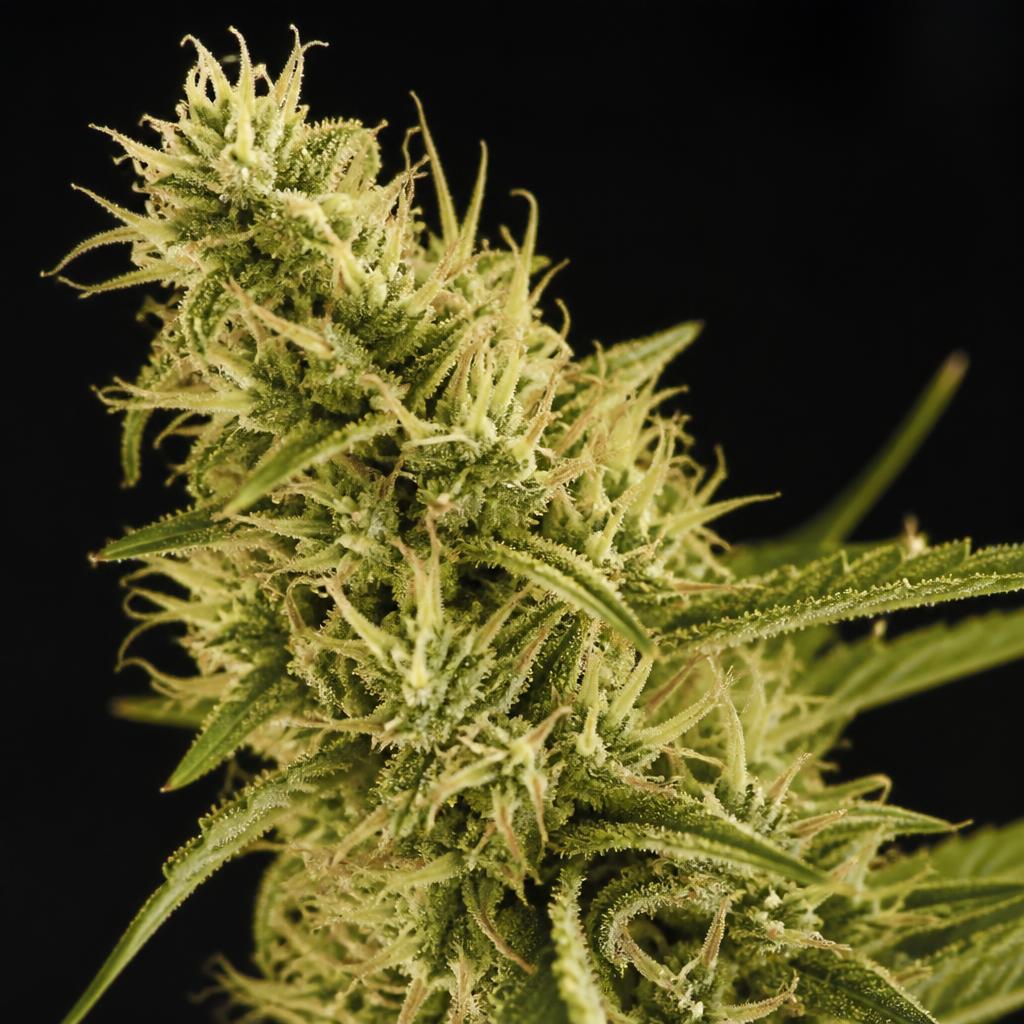
Thai Stick
also known as Thai, Chocolate Thai
History & origin
Long, equatorial sativas dried and tied to bamboo skewers — the original Thai Stick. Brought to the West by US servicemen and became foundational to haze lineages.
Traditional use
Smoked socially across South-East Asia.
Place in modern medical practice
Traditional remedy for fatigue, low mood and headache. Modern Thai-derived sativas appear in UK formularies for fatigue and ADHD-adjacent symptoms.
Evidence note
Each claim below is tagged with the strongest available evidence type. Much of the historical and traditional record is ethnobotanical rather than clinical-trial grade. Modern UK prescribing of cannabis-based medicinal products is governed by the MHRA and guided by NICE NG144; individual suitability is decided by a specialist clinician. Nothing here constitutes medical advice.
Primary sources · 2
[1]Historical medical uses of cannabis including South-East Asian sativas.
Russo EB. History of cannabis as a medicine: a review. Brazilian Journal of Psychiatry, 2006.
Peer-reviewed review[2]Genetic evidence for distinct Thai sativa landrace heritage.
Hillig KW. Genetic and chemotaxonomic diversity in Cannabis sativa. Genetic Resources and Crop Evolution, 2005.
Peer-reviewed study
Influence on modern strains
Critical parent of Haze, and through it Super Silver Haze, Amnesia, Jack Herer and most modern sativa-leaning cultivars.
Direct descendants
Sensory profile
Aroma
Tropical fruit, citrus, incense
Flavour
Sweet citrus, spice, cocoa
Effects
Soaring cerebral, energetic, near-psychedelic