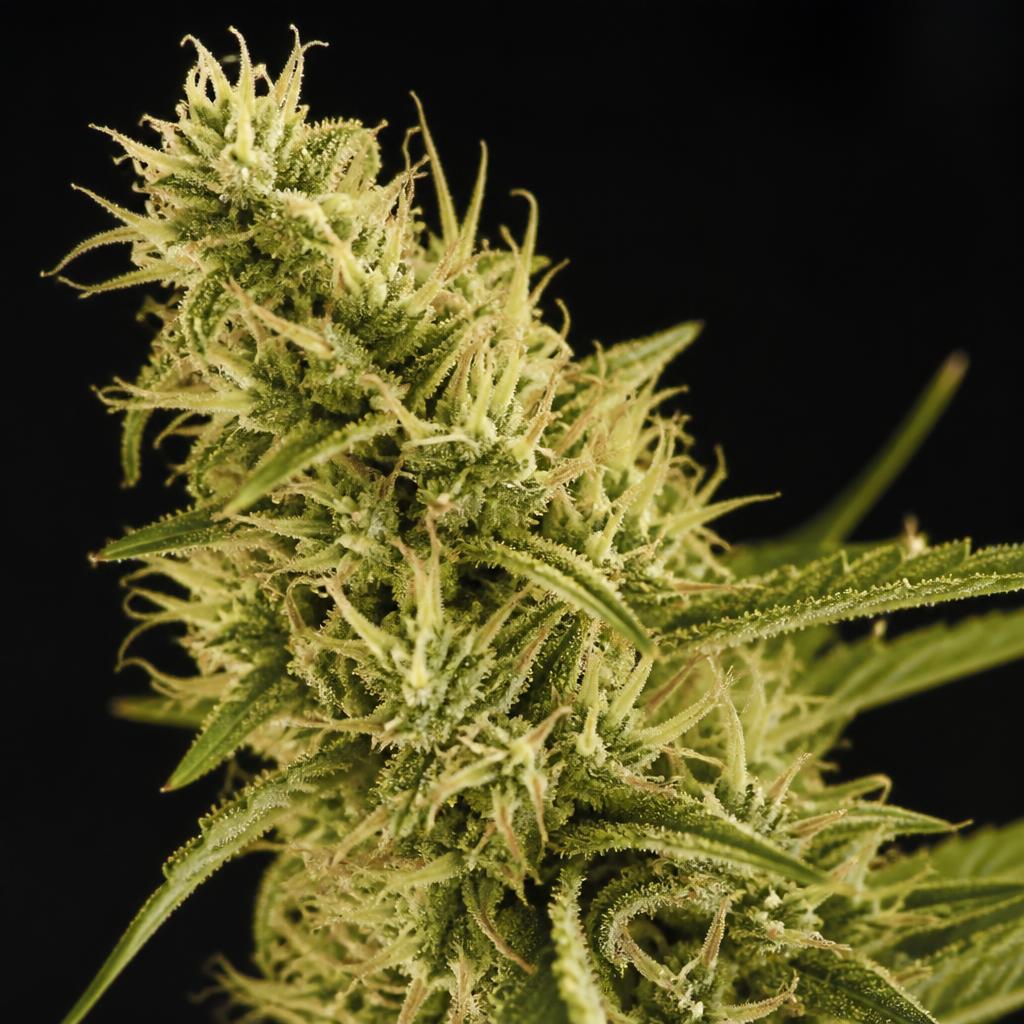
Nepal · Annapurna & Kathmandu Valley
Nepalese Highland
also known as Nepali, Himalayan Sativa
History & origin
Tall, narrow-leaf sativas cultivated for centuries across Nepal's middle hills. The source of legendary "Nepalese Temple Ball" hashish.
Traditional use
Temple ball hashish for sadhus and Shaivite ritual. Recreational use by porters and farmers.
Place in modern medical practice
Used traditionally for altitude sickness, fatigue and depression. Descendants are prescribed for fatigue-dominant chronic conditions and low mood.
Evidence note
Each claim below is tagged with the strongest available evidence type. Much of the historical and traditional record is ethnobotanical rather than clinical-trial grade. Modern UK prescribing of cannabis-based medicinal products is governed by the MHRA and guided by NICE NG144; individual suitability is decided by a specialist clinician. Nothing here constitutes medical advice.
Primary sources · 2
[1]Ethnographic study of cannabis use in Nepal, including medical, religious and recreational contexts.
Fisher J. Cannabis in Nepal: An overview. In Rubin V (ed.) Cannabis and Culture, 1975.
Ethnobotanical[2]Sativa-dominant phytochemistry and uplifting effect profile.
Russo EB. Taming THC: potential cannabis synergy and phytocannabinoid-terpenoid entourage effects. British Journal of Pharmacology, 2011.
Peer-reviewed review
Influence on modern strains
Backbone of many sativa hybrids including Nepalese Temple Ball and modern haze lines.
Direct descendants
Sensory profile
Aroma
Spice, sandalwood, dried fruit
Flavour
Hash, honey, pepper
Effects
Uplifting, meditative, energetic