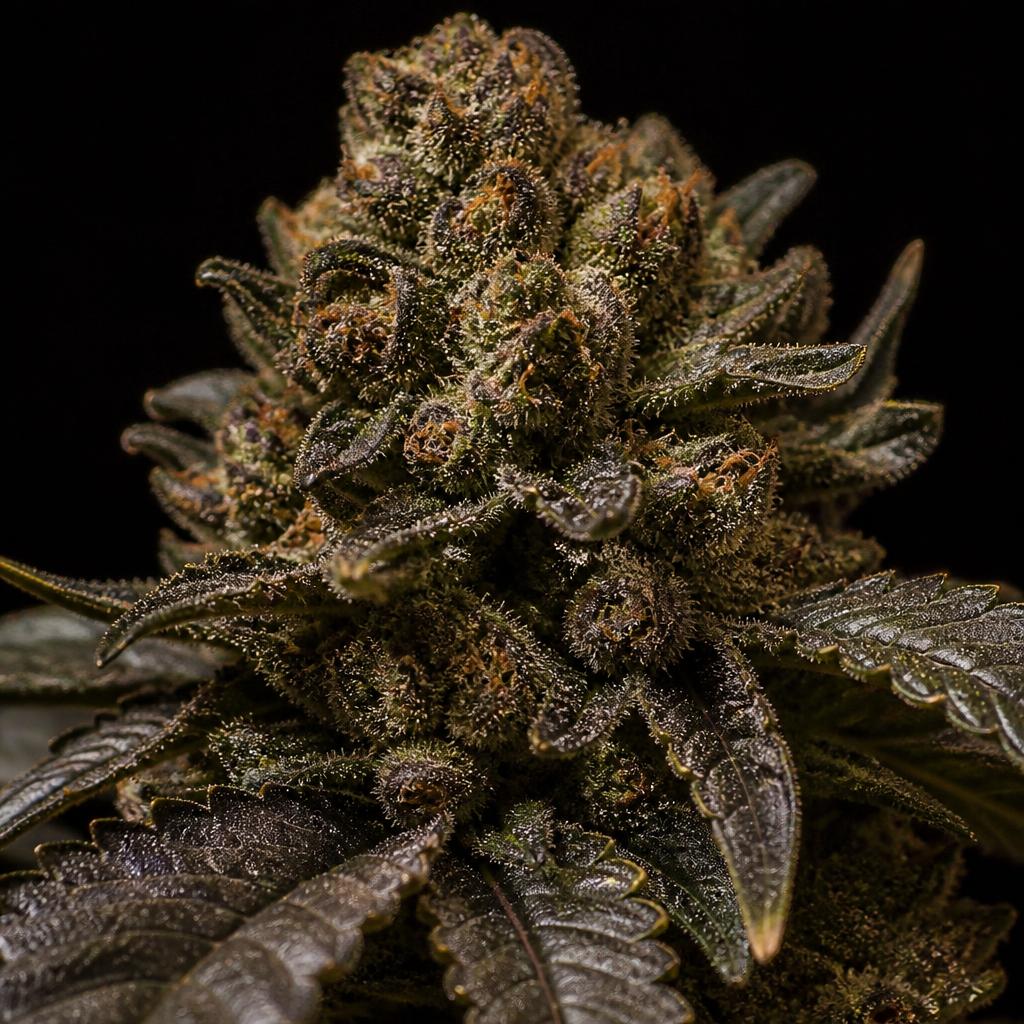
Afghanistan · Balkh Province
Mazar-i-Sharif
also known as Mazar, Balkh
History & origin
Cultivated for centuries on the plains surrounding the Blue Mosque, Mazar charas is some of the most revered hashish in the Islamic world. Decades of war have made pure seedstock increasingly scarce.
Traditional use
Pressed into prized charas. Traded across Central Asia as a luxury good.
Place in modern medical practice
Folk use as a sleep and appetite aid. Descendants today appear in UK formularies indicated for chronic pain and PTSD-linked insomnia.
Evidence note
Each claim below is tagged with the strongest available evidence type. Much of the historical and traditional record is ethnobotanical rather than clinical-trial grade. Modern UK prescribing of cannabis-based medicinal products is governed by the MHRA and guided by NICE NG144; individual suitability is decided by a specialist clinician. Nothing here constitutes medical advice.
Primary sources · 2
[1]Historical account of Mazar charas production in Balkh province.
Clarke RC. Hashish!. Red Eye Press, 1998.
Historical[2]Afghan landrace cultivation and trade in Northern Afghanistan.
Clarke RC, Merlin MD. Cannabis: Evolution and Ethnobotany. University of California Press, 2013.
Ethnobotanical
Influence on modern strains
Parent of Mazar (Dutch Passion) and many modern Afghan hybrids.
Direct descendants
Sensory profile
Aroma
Hashish, incense, sweet earth
Flavour
Resinous, woody, faint citrus
Effects
Deeply relaxing, contemplative