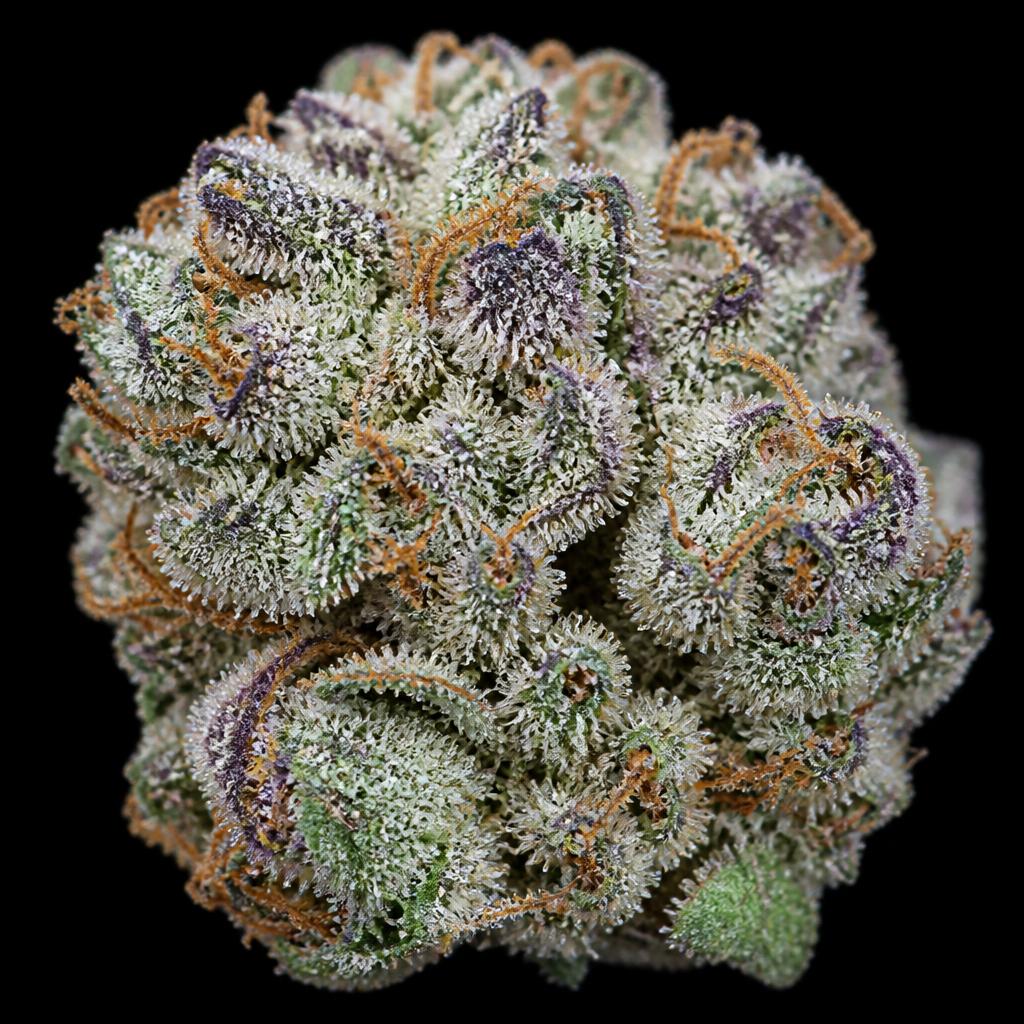
India · Parvati Valley, Himachal Pradesh
Malana
also known as Malana Cream, Parvati
History & origin
Grown on terraced slopes around the village of Malana, hand-rubbed into the legendary Malana Cream charas. The plants have evolved for short, intense summers and extreme UV.
Traditional use
Hand-rubbed resin used socially and ceremonially in Himachal villages.
Place in modern medical practice
Locally prescribed by traditional practitioners for joint pain and altitude-related fatigue. Modern relatives are used clinically for inflammatory pain.
Evidence note
Each claim below is tagged with the strongest available evidence type. Much of the historical and traditional record is ethnobotanical rather than clinical-trial grade. Modern UK prescribing of cannabis-based medicinal products is governed by the MHRA and guided by NICE NG144; individual suitability is decided by a specialist clinician. Nothing here constitutes medical advice.
Primary sources · 2
[1]Ethnobotanical survey of cannabis use in Parvati Valley and Malana.
Clarke RC. Charas: The Hashish of Himachal. In Cannabis: Evolution and Ethnobotany, 2013.
Ethnobotanical[2]Documentation of traditional cannabis cultivation in Himachal Pradesh.
Charles M, Jayaraman G. Survey of wild and cultivated Cannabis in Himachal Pradesh. Drugs: Education, Prevention and Policy, 2013.
Ethnobotanical
Influence on modern strains
Genetic source for Parvati and many modern Himalayan hybrids.
Direct descendants
Sensory profile
Aroma
Spicy hashish, pine resin, alpine herbs
Flavour
Creamy, woody, peppery
Effects
Cerebral lift then long body calm