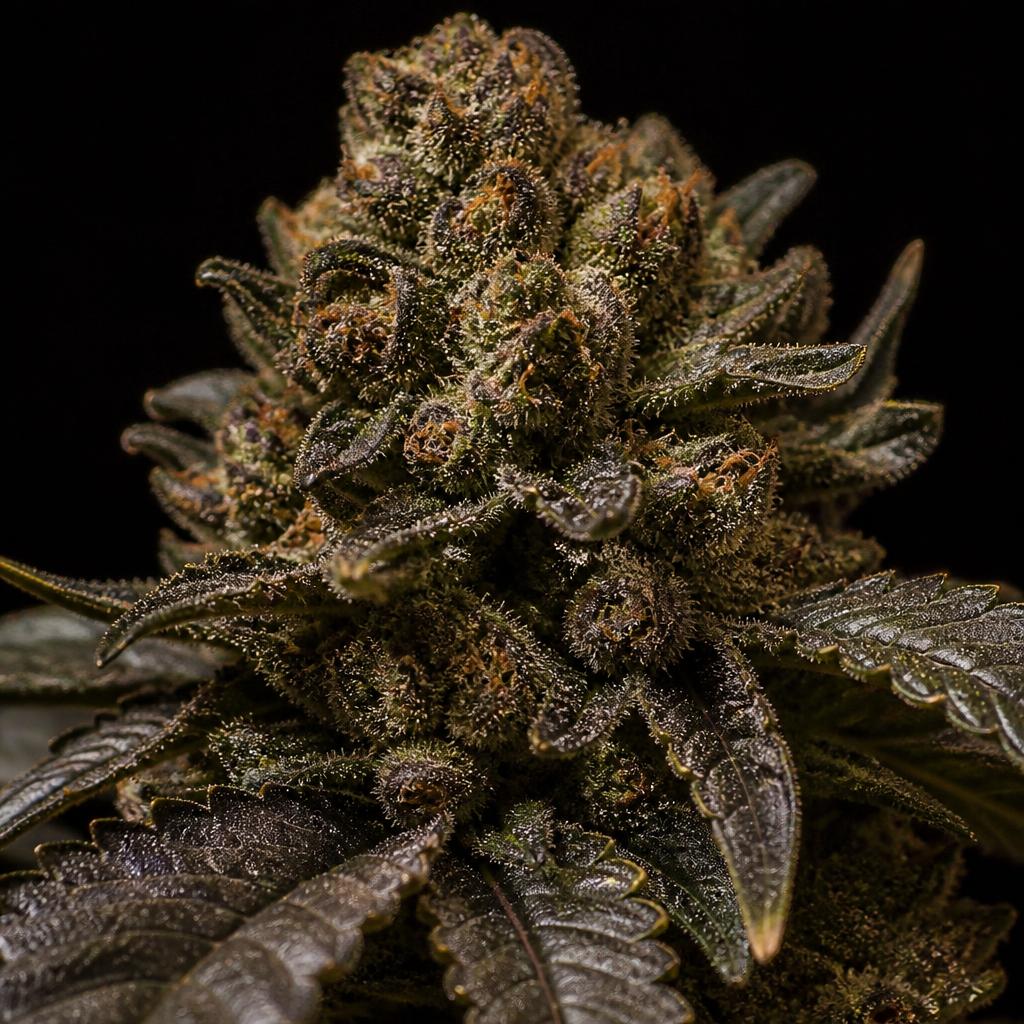
Lebanon · Beqaa Valley
Lebanese
also known as Beqaa, Red/Blonde Lebanese
History & origin
A short, drought-tolerant indica cultivated in the Beqaa Valley for centuries. The source of the famous Red and Blonde Lebanese hashish.
Traditional use
Sieved into hashish for domestic use and export across the Levant and Europe.
Place in modern medical practice
Folk use as a sedative, digestive aid and pain reliever. Modern relatives appear in calm-leaning UK formulary items.
Evidence note
Each claim below is tagged with the strongest available evidence type. Much of the historical and traditional record is ethnobotanical rather than clinical-trial grade. Modern UK prescribing of cannabis-based medicinal products is governed by the MHRA and guided by NICE NG144; individual suitability is decided by a specialist clinician. Nothing here constitutes medical advice.
Primary sources · 2
[1]Historical account of Lebanese hashish production in the Beqaa Valley.
Clarke RC. Hashish!. Red Eye Press, 1998.
Historical[2]Marijuana medical papers — historical compilation.
Mikuriya TH (ed.). Marijuana: Medical Papers 1839–1972. Medi-Comp Press, 1973.
Historical
Influence on modern strains
Influential in many Mediterranean and Dutch indica hybrids.
Direct descendants
Sensory profile
Aroma
Spice, leather, dried herbs
Flavour
Hash, sweet spice, wood
Effects
Mellow, calming, clear-headed