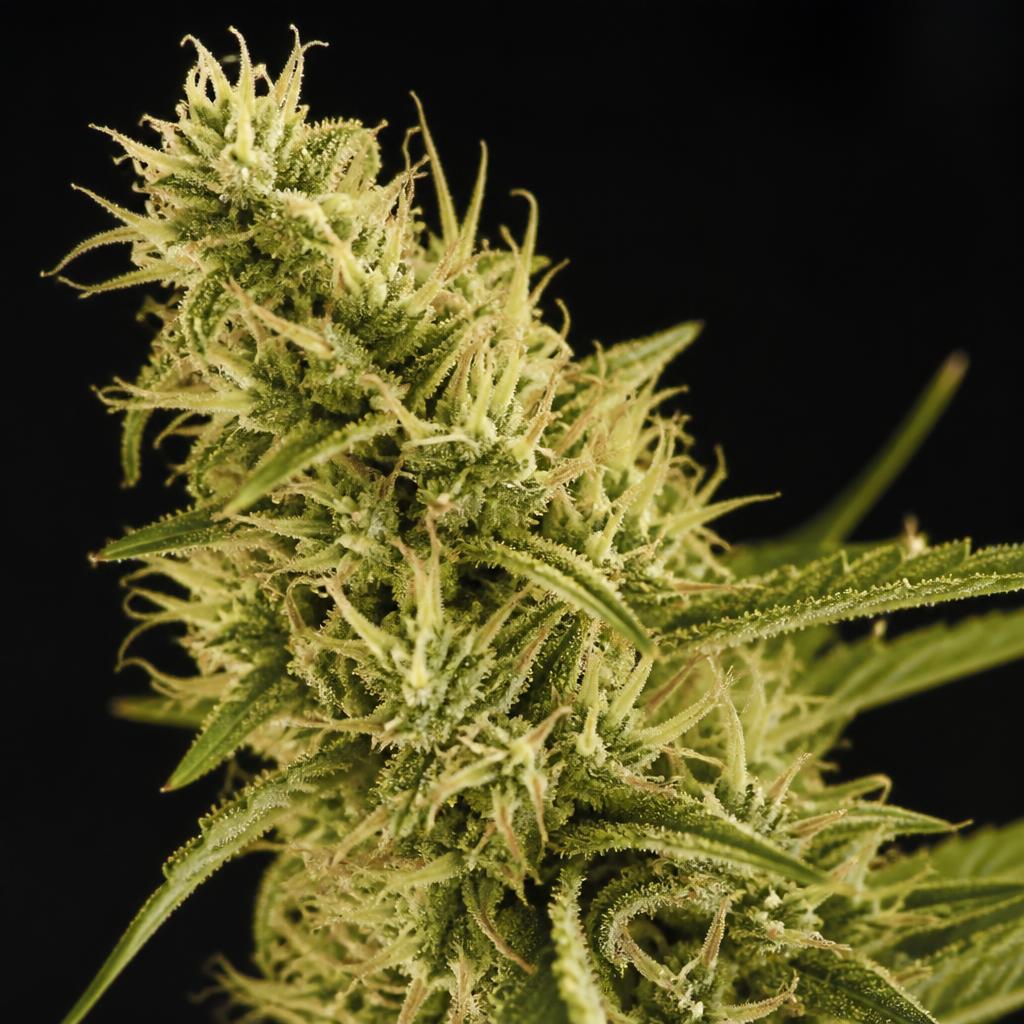
South Africa · KwaZulu-Natal, near Durban
Durban Poison
also known as Durban
History & origin
A pure African sativa with a short flowering window unusual for equatorial cultivars. Mel Frank and Ed Rosenthal's selection work brought it to the West.
Traditional use
Smoked socially across southern Africa; sometimes used as snuff.
Place in modern medical practice
Traditional Zulu remedy for headaches and asthma. In modern medical practice its descendants are used for daytime focus, ADHD-adjacent symptoms and migraine.
Evidence note
Each claim below is tagged with the strongest available evidence type. Much of the historical and traditional record is ethnobotanical rather than clinical-trial grade. Modern UK prescribing of cannabis-based medicinal products is governed by the MHRA and guided by NICE NG144; individual suitability is decided by a specialist clinician. Nothing here constitutes medical advice.
Primary sources · 2
[1]Traditional Zulu and southern African medical use of dagga for headache and respiratory complaints.
Du Toit BM. Cannabis in Africa. A.A. Balkema, 1980.
Ethnobotanical[2]Cannabis use patterns in contemporary South Africa.
Peltzer K, Ramlagan S. Cannabis use and abuse in South Africa. African Journal of Drug and Alcohol Studies, 2008.
Peer-reviewed study
Influence on modern strains
Parent of GSC (via Cherry Pie), Cherry Pie itself, and many focus-oriented hybrids.
Direct descendants
Sensory profile
Aroma
Anise, sweet liquorice, pine
Flavour
Sweet fennel, citrus, spice
Effects
Clear, focused, energising